

Cybercrime in India: Expert Guide to Prevention, Laws, and Legal Remedies
Cybercrime has emerged as one of the fastest-growing threats in India’s digital era. With the rapid expansion of online banking, social media, e-commerce, and digital payments, cyber offenders are constantly finding new ways to exploit unsuspecting users. From phishing scams to identity theft and ransomware attacks, cybercrime affects individuals, businesses, and government institutions alike. Understanding cyber laws, preventive strategies, and legal remedies is essential for staying protected in today’s connected world.
What Is Cybercrime?
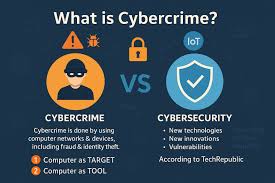
Cybercrime refers to any unlawful activity carried out using computers, digital devices, or the internet. It includes offences where the computer is either the target or the tool used to commit the crime. These crimes can lead to financial loss, reputational damage, data breaches, and even national security threats.
Cybercrime is not limited to tech experts—ordinary users are often the most common victims due to lack of awareness and weak digital security practices.
Common Types of Cybercrime in India
India has witnessed a sharp rise in various forms of cyber offences. Some of the most prevalent types include:
Phishing and Online Fraud
Fraudsters send fake emails, SMS messages, or links impersonating banks or trusted companies to steal sensitive information such as OTPs, passwords, and card details.
Identity Theft
This involves unauthorized use of someone’s personal data—such as Aadhaar, PAN, or bank credentials—to commit fraud or impersonation.
UPI and Digital Payment Fraud
With the growth of UPI platforms, scammers often trick users into approving fraudulent collect requests or sharing verification codes.
Social Media Crimes
These include fake profiles, cyberstalking, online harassment, morphing of images, and defamation through social platforms.
Ransomware Attacks
Hackers encrypt a victim’s data and demand payment for restoring access. Businesses and institutions are frequent targets.
Data Breaches
Unauthorized access to confidential databases leading to leakage of customer or organizational information.
Legal Framework for Cybercrime in India
India has established a robust legal structure to combat cyber offences. The primary law governing cybercrime is the Information Technology Act, 2000 (IT Act), along with relevant provisions of the Indian Penal Code (IPC).
Key Provisions Under the IT Act
-
Section 43 – Unauthorized access and data theft
-
Section 66 – Computer-related offences
-
Section 66C – Identity theft
-
Section 66D – Cheating by personation using computer resources
-
Section 66E – Violation of privacy
-
Section 67 – Publishing or transmitting obscene content
These provisions empower law enforcement agencies to investigate and prosecute cyber offenders effectively.
How to File a Cybercrime Complaint in India
Victims of cybercrime should act quickly. Prompt reporting significantly improves the chances of recovery and investigation.
Step 1: Report Immediately
Call the national cyber fraud helpline 1930 if financial fraud has occurred. Time is critical for freezing transactions.
Step 2: File an Online Complaint
Visit the National Cyber Crime Reporting Portal and submit details of the incident, including evidence such as screenshots, transaction IDs, and communication records.
Step 3: Lodge an FIR
In serious cases, file a First Information Report (FIR) at the nearest police station or cyber cell.
Step 4: Preserve Evidence
Do not delete messages, emails, or transaction details. Digital evidence plays a crucial role in prosecution.
Preventive Measures to Avoid Cybercrime
Prevention is always better than legal recovery. Adopting strong cyber hygiene can significantly reduce risk.
Strengthen Password Security
-
Use complex, unique passwords
-
Enable two-factor authentication (2FA)
-
Avoid sharing OTPs with anyone
Stay Alert Against Phishing
-
Do not click suspicious links
-
Verify sender email addresses
-
Avoid downloading unknown attachments
Secure Digital Payments
-
Never approve unknown UPI collect requests
-
Verify QR codes before scanning
-
Use official banking apps only
Protect Personal Information
-
Limit what you share on social media
-
Regularly review privacy settings
-
Avoid using public Wi-Fi for financial transactions
Keep Devices Updated
-
Install security patches regularly
-
Use licensed antivirus software
-
Update mobile and computer operating systems
Legal Remedies Available to Victims
Victims of cybercrime in India have multiple legal remedies depending on the nature of the offence.
Criminal Action
Police can register FIRs under the IT Act and IPC. Offenders may face imprisonment, fines, or both.
Recovery of Financial Loss
In many online fraud cases, quick reporting to the bank and helpline can help freeze funds and recover money.
Civil Remedies
Victims can file civil suits for damages in cases involving data breaches, defamation, or privacy violations.
Blocking and Takedown Requests
Courts and authorities can order removal of illegal online content and block offending accounts or websites.
Role of Cyber Cells and Law Enforcement
India has established dedicated cyber cells across states to handle digital offences. These specialized units:
-
Conduct digital forensics
-
Trace IP addresses
-
Coordinate with banks and intermediaries
-
Assist victims in evidence collection
-
Prosecute offenders in cyber courts
The government is also strengthening cyber infrastructure through awareness campaigns and technological upgrades.
Challenges in Combating Cybercrime
Despite strong laws, several challenges remain:
-
Cross-border jurisdiction issues
-
Rapidly evolving technology
-
Low public awareness
-
Underreporting of cyber offences
-
Use of anonymization tools by criminals
Continuous legal updates, public education, and international cooperation are essential to address these issues effectively.
Conclusion
Cybercrime in India is a growing concern that demands vigilance, awareness, and timely legal action. While the legal framework—particularly the Information Technology Act—provides strong protection, prevention remains the most effective defense. Individuals and businesses must adopt robust cybersecurity practices and remain cautious in digital interactions.
If you become a victim, act immediately by reporting the incident, preserving evidence, and seeking professional legal assistance. With the right knowledge and proactive measures, the risks of cybercrime can be significantly minimized in today’s digital landscape.

Comments are closed